Ferries need backup plans
Aran Islands and other ferry-linked days should not be your only reason for visiting a region. Keep a mainland alternative.
Weather planning
Ireland weather is mild, changeable, and strongly shaped by the Atlantic. For travelers, the practical question is not "will it rain?" It is how much daylight you have, how exposed your route is, and whether your plan has a good weather swap.
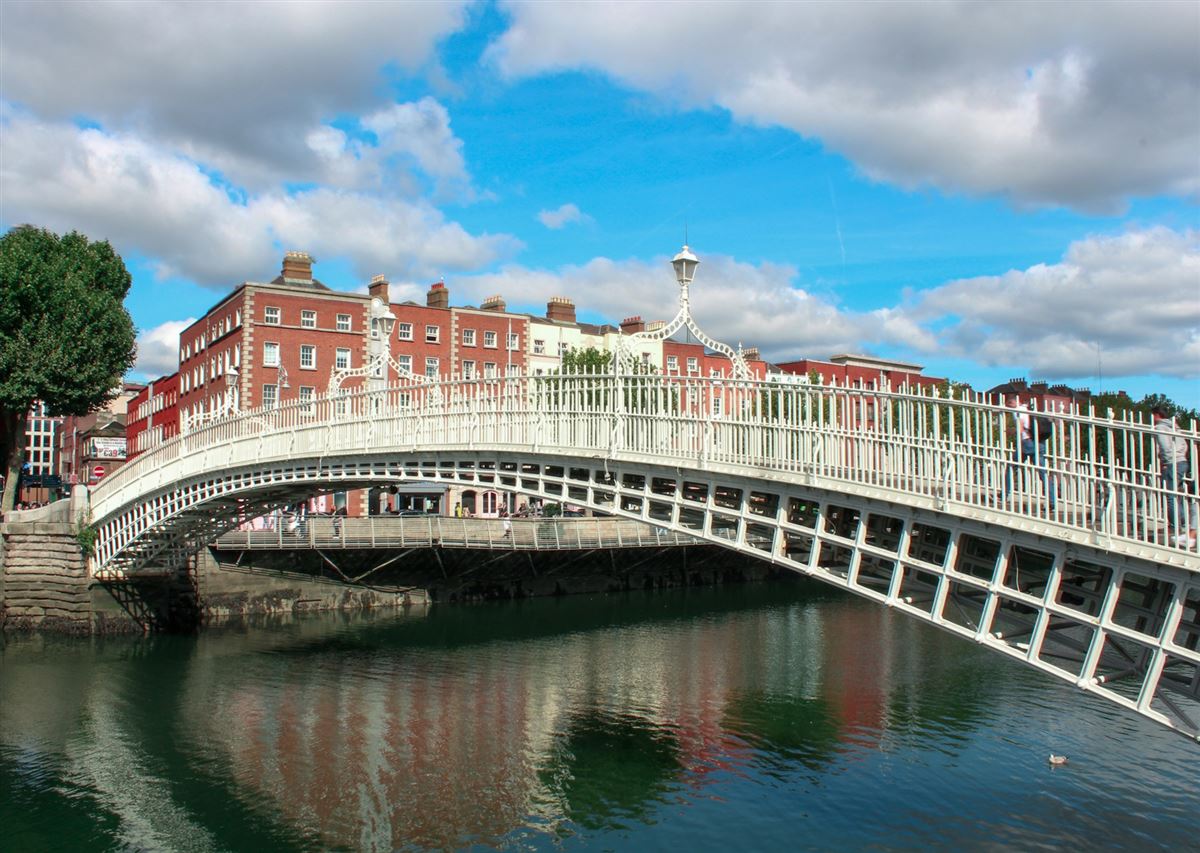
Plan for change, not perfect skies
Ireland rarely has the temperature extremes many visitors expect, but rain, wind, cloud, and quick weather changes can affect rural days. Summer gives the longest days. Spring and early fall are strong for balanced routes. Winter is better for Dublin and city breaks than for ambitious scenic driving.
Monthly guide
| Month | Travel feel | Best planning move |
|---|---|---|
| January | Short days, city-friendly, rural plans need caution. | Base in Dublin or another city and keep outdoor plans flexible. |
| February | Still winter, with improving light but fragile scenic plans. | Use museums, pubs, food, and short coastal windows. |
| March | Spring begins, but weather still changes quickly. | Good for Dublin plus a cautious west or south route. |
| April | More useful daylight and a better shoulder-season feel. | Start considering west-coast routes with backup days. |
| May | One of the strongest months for balanced first trips. | Book rural accommodation early and use the daylight well. |
| June | Long days and strong route flexibility. | Good for ambitious west or southwest routes if paced well. |
| July | Peak season, long days, higher demand. | Reserve accommodation, cars, and key tours earlier. |
| August | Still peak season, useful daylight, busy famous stops. | Slow the route and avoid stacking every headline sight. |
| September | Excellent shoulder-season balance for many trips. | Use Galway, Clare, Kerry, or Cork with sensible slack. |
| October | Good early in the month, more autumnal and shorter by late month. | Keep scenic plans but add stronger weather backups. |
| November | Low-season feel, short days, better for city travel. | Plan Dublin, Cork, Galway city, food, pubs, and indoor stops. |
| December | Short days and festive city atmosphere. | Avoid big rural loops unless you are comfortable with limited daylight. |
Practical advice
Aran Islands and other ferry-linked days should not be your only reason for visiting a region. Keep a mainland alternative.
Cliff days are more than a rain question. Wind, visibility, closures, and path conditions can change the value of the day.
Dublin has museums, galleries, pubs, shopping streets, taxis, and compact walking areas. It is easier to save a rainy day there.
Forecast timing
Months ahead, use climate averages and daylight to choose the shape of the trip—not a forecast for a particular Tuesday. Met Éireann says forecasts beyond one week become increasingly uncertain and that monthly or seasonal outlooks should not be used for specific planning. The useful decisions happen inside the final week, especially in the last 48-72 hours.
| When you are checking | What the information can tell you | What to decide |
|---|---|---|
| One to twelve months ahead | Typical daylight, temperature, rainfall, and wind patterns—not the weather on your dates. | Choose season, route style, and whether the trip needs strong indoor alternatives. |
| Seven to ten days ahead | A useful first look at broad patterns, with greater uncertainty toward the end of the range. | Identify the most weather-sensitive days, but avoid rebuilding the itinerary around one forecast run. |
| Two to three days ahead | Better short-range detail for rain, wind, visibility, and local timing. | Place the island, cliff, mountain, or ferry day in the best available window. |
| The evening before and morning of | The latest warnings, radar, mountain forecast, and operator or trail notices. | Go, shorten the plan, swap days, or use the indoor alternative. Check again before setting out. |
Related guides
FAQ
Rainfall varies by region and year, so use Met Éireann climate averages and current forecasts rather than planning from one national shortcut.
No, but showers and changeable conditions are common enough that every route should have flexible clothing and a backup plan.
May, June, and September are often strong for visitors, but the best month depends on route, daylight, crowds, and booking pressure.
Summer is usually mild rather than hot. Bring layers because wind, rain, and evening temperatures can still matter.
Not for a specific outdoor plan. Use it only as an early signal, then make the exposed-day decision inside the final week and check again 48-72 hours before. Met Éireann notes that forecast uncertainty increases beyond one week.
Sources
Pick the season that suits you
Balance daylight, crowds, prices, and the kind of rural route you actually want to take.