Dublin
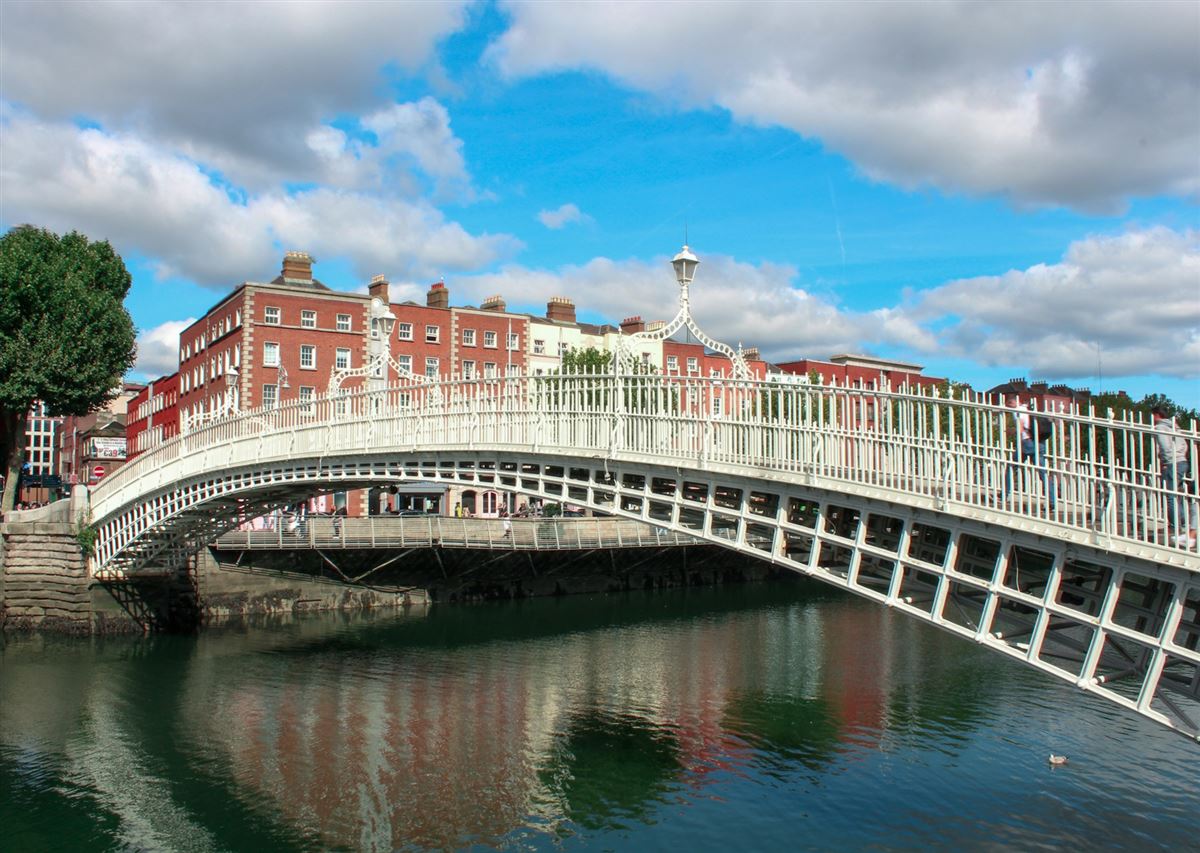
Walk, Luas, bus, DART, and taxis cover most visitor needs. Do not rent a car for Dublin city.
No-car planning
You can visit Ireland without renting a car if you build the trip around good bases. Dublin, Galway, Cork, Killarney, Belfast, Howth, Cobh, and many day-tour routes work well. Rural coastlines, islands, late dinners in small towns, and scattered viewpoints become harder without a car.
The rail-and-tour version
The easiest Ireland trip without a car is Dublin plus Galway, with train or bus travel between them and day tours for the Cliffs of Moher, Connemara, or the Aran Islands. Cork and Killarney also work well, especially if you use rail for city-to-city travel and small-group tours for rural Kerry. The trip gets harder when you want tiny villages, flexible photo stops, or late-night rural transport.
Best places
Walk, Luas, bus, DART, and taxis cover most visitor needs. Do not rent a car for Dublin city.
A strong west-coast base with day tours to Connemara, the Cliffs of Moher, the Burren, and Aran Islands connections.
Good by rail from Dublin and useful for Cobh, city food, English Market, and some Kinsale day planning.
Works as a rail-friendly base for Killarney National Park and day tours to Ring of Kerry or Dingle.
DART makes easy coastal days from Dublin when the weather cooperates.
Good by rail or bus from Dublin, with tours to the Causeway Coast if Northern Ireland is in scope.
Where it gets difficult
| Trip goal | No-car reality | Better choice |
|---|---|---|
| Remote Kerry or West Clare stops | Buses may be infrequent, seasonal, or not aligned with viewpoint timing. | Use a tour or rent a car for that segment. |
| Aran Islands | Possible, but ferry/bus links and weather need careful checking. | Book a coordinated day tour or stay overnight if the island is a priority. |
| Late rural dinners | Returning by public transport can be awkward or impossible. | Sleep in the town, book a taxi early, or keep dinner near your base. |
| Photo stops on narrow scenic roads | Public transport takes you town to town, not viewpoint to viewpoint. | Small-group tour or car day. |
Routes
Use two bases at most. With four nights, Dublin 2 plus Galway 2 works only if your departure timing makes the return east comfortable. If you need a final Dublin night, add a night to the trip or keep the short visit Dublin-based.
A clean six-night plan: Dublin 2, Galway 3, then a final Dublin or airport-positioned night. Use one Galway day for a rural tour and keep the other for the city, an island connection, or a weather swap.
Add one southern base, not two. Dublin 2, Galway 3, Cork or Killarney 3, and a final night east is realistic. Treat the Galway-to-south move as a transfer day; do not attach a major tour to it.
Give each base at least two nights, plan the final trip to your airport before booking hotels, and count a long cross-country connection as part of the day. A no-car itinerary fails when every transfer is treated as invisible.
Walks and day trips
The DART reaches Howth, and the official cliff-path loop starts and finishes at the railway station. It is one of the simplest ways to add a proper coastal walk without renting a car.
Killarney is reachable by rail and bus, and park access begins close to town. Walk from Killarney House or use a local transfer for Muckross rather than depending on a remote trailhead.
Buses serve Letterfrack beside Connemara National Park, but the return timetable controls the hike. A tour is the safer choice when the day also includes Kylemore, viewpoints, or several stops.
Read the full hiking in Ireland without a car guide before choosing a trail. It compares Howth, Killarney, Connemara, and Glendalough, including the last-transport problem that ordinary hiking lists often miss.
Day-trip logic
| Starting base | Straightforward independently | Usually easier by tour | Check before committing |
|---|---|---|---|
| Dublin | Howth, Dún Laoghaire, Dalkey, Kilkenny, or Belfast by rail. | Wicklow Mountains beyond a direct Glendalough coach. | Last return, engineering works, and whether the attraction needs advance tickets. |
| Galway | Galway city, Salthill, and some town-to-town bus journeys. | Cliffs and Burren combinations, multi-stop Connemara, or an island package. | Ferry connection, wind, bus-to-port transfer, and return timing. |
| Cork | Cobh by rail and Kinsale when the bus timetable suits. | Scattered West Cork stops. | Sunday or evening frequency and the walk from the stop to your actual destination. |
| Killarney | Town-side national park walks. | Ring of Kerry, Dingle, or several remote park stops in one day. | Where the tour returns and whether you still have transport to your accommodation. |
Connections people underestimate
| Connection | Why it catches people out | Better planning move |
|---|---|---|
| Galway to Killarney | It is a cross-country transfer rather than a quick hop, and the useful options may involve changes. | Protect the day for travel and check the exact dated journey before booking either hotel. |
| Doolin or West Clare to Kerry | Nearby on a map does not mean simple by public transport, especially with luggage. | Return through a strong transport base or separate Clare and Kerry into different trips. |
| Galway or Cork to Dingle | The final rural leg can consume the useful part of the day. | Reach Killarney or Tralee first, stay in Dingle, and do not plan Slea Head on arrival day. |
| Town centre to rural lodging or trailhead | The intercity journey may work while the last few kilometres have no useful service. | Check the complete door-to-door route, including the last return, before choosing the accommodation. |
Use the dated Transport for Ireland journey planner; a route that works on a summer weekday may not work at the same time on Sunday or in winter.
Tour vs transit
A tour can combine the cliffs with Burren stops more cleanly than public transport.
Public transport reaches some towns, but tours usually make better use of daylight and viewpoints.
Base in Killarney and book a tour if you do not want to drive narrow scenic roads.
When to rent
A no-car trip does not have to be car-free every day. A short rental can make sense for rural Kerry, West Clare, Achill, Donegal, or a custom route with luggage and family needs. The key is to rent the car where it helps, not for Dublin city.
Read the car rental decision guideRelated guides
FAQ
Yes, especially if you use Dublin, Galway, Cork, and Killarney as bases. You will need tours or careful planning for rural scenery.
Yes. Galway city is walkable, and many tours leave from Galway for Connemara, the Cliffs of Moher, the Burren, and Aran Islands routes.
Yes, if you base in Killarney and use tours for Ring of Kerry, Dingle, or Gap of Dunloe. Public transport alone is more limiting.
For most first-time visitors, Dublin plus Galway is the simplest. Add Cork and Killarney if you have 9-10 days.
If left-side driving, narrow roads, or manual transmission worry you, build a no-car route first. You can still see a lot with trains, buses, and tours.
Sources
Put the no-car idea into a week
Dublin and Galway make strong rail-connected bases, with tours filling the rural gaps.